Facebook Advertisements
Exploring the Pros and Cons of Facebook Ads
Many businesses are using Facebook ads to reach more people. They can be helpful for promoting your business, but they also have some problems.
Facebook ads can be good for small businesses. They can help you connect with people who might be interested in what you offer. But, like anything, there are pros and cons.
On the positive side, Facebook ads can be affordable if you do them right. They can also help you reach a big audience and show your ads to people who are likely to buy from you. You can get a lot of people to see and interact with your ads. Facebook even lets you target people who follow your page or are connected to similar pages.
However, the success of Facebook ads depends on how well you plan and run them. If you don't do it right, you might waste money on ads that don't get many clicks. Badly made ads could also upset people and make them react negatively.
In conclusion, Facebook ads have great potential, but you need to be careful and smart when using them to get the best results and avoid problems.
Should You Consider Facebook Advertising Packages?
Are you a business owner trying to find better ways to increase your sales? Is traditional marketing becoming too complicated? If you said 'yes' to either of these questions, we have some exciting news for you. There's a new solution called Facebook advertising.
Facebook is the biggest social media platform globally, and it offers advertisers the chance to display their sponsored content. It provides various options, from 'boosting posts' to video ads. Plus, you can precisely target your ads based on location and demographics. Facebook advertising is particularly beneficial for business pages, especially local companies looking to reach people in their area. It's a great way to increase your brand's visibility and reach your desired audience. With all these compelling reasons, it's clear that Facebook Advertising is a smart choice.
Determining Your Facebook Ads Budget
The quantum of investment in Facebook ads is influenced by several factors, encompassing your business objectives, target audience, competitive landscape, and budget. Here are some factors to consider when determining the ideal investment:
Business Objectives
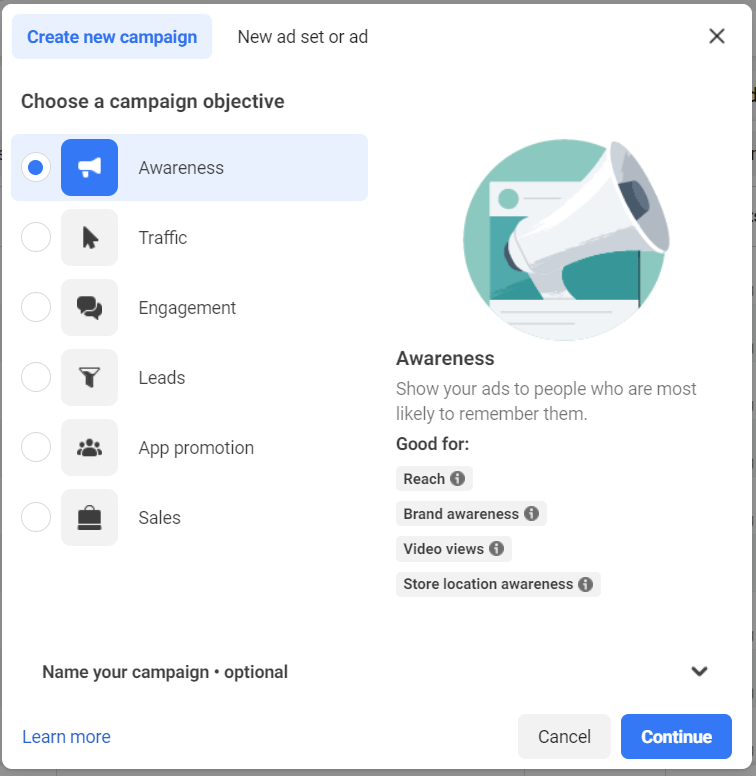
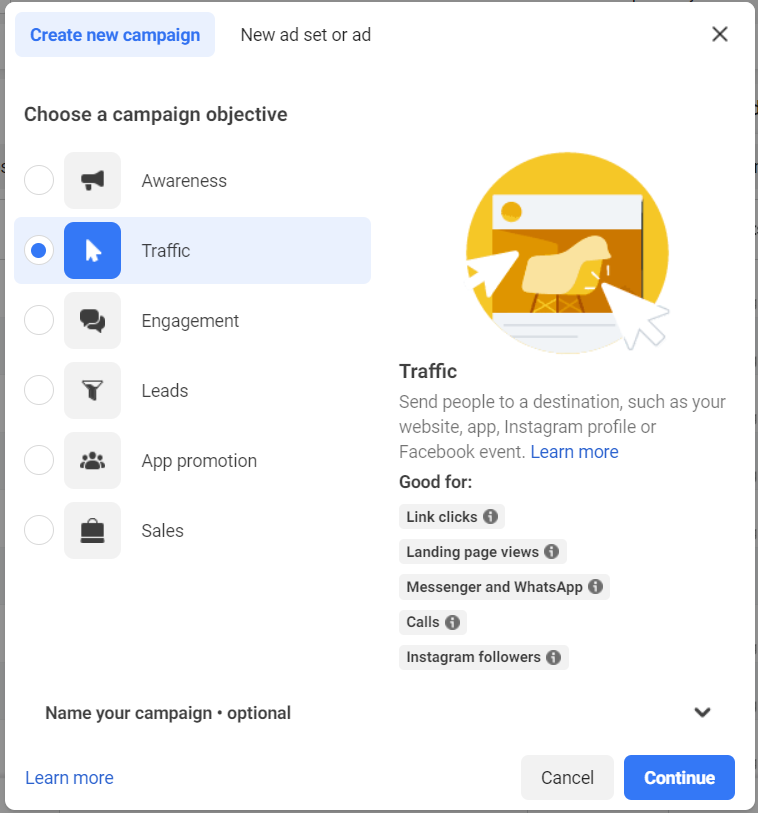
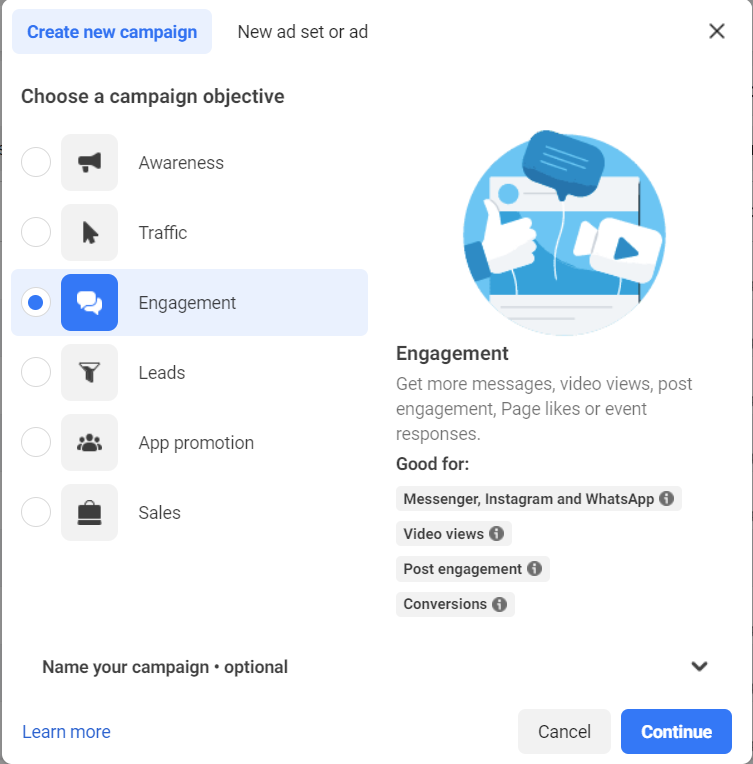
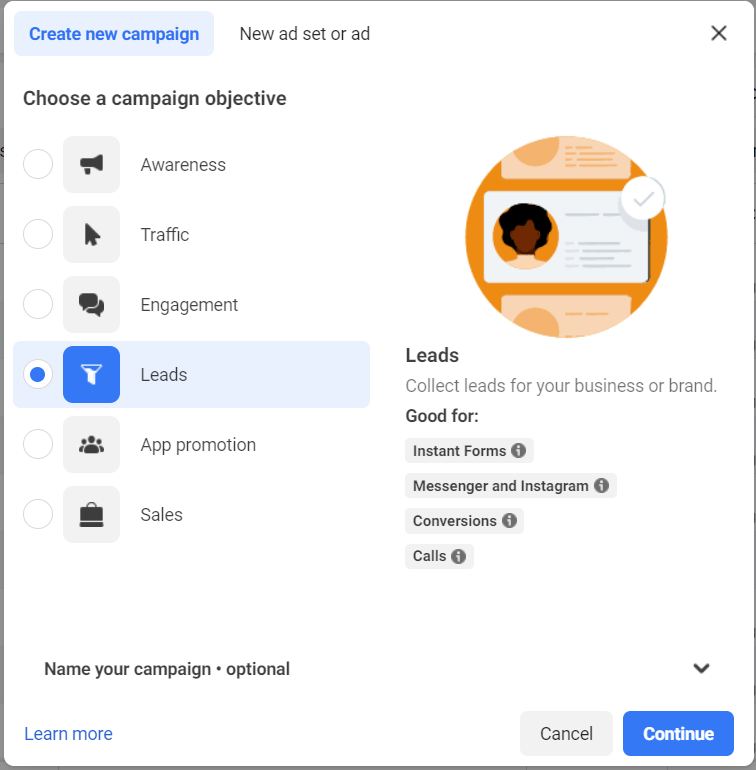
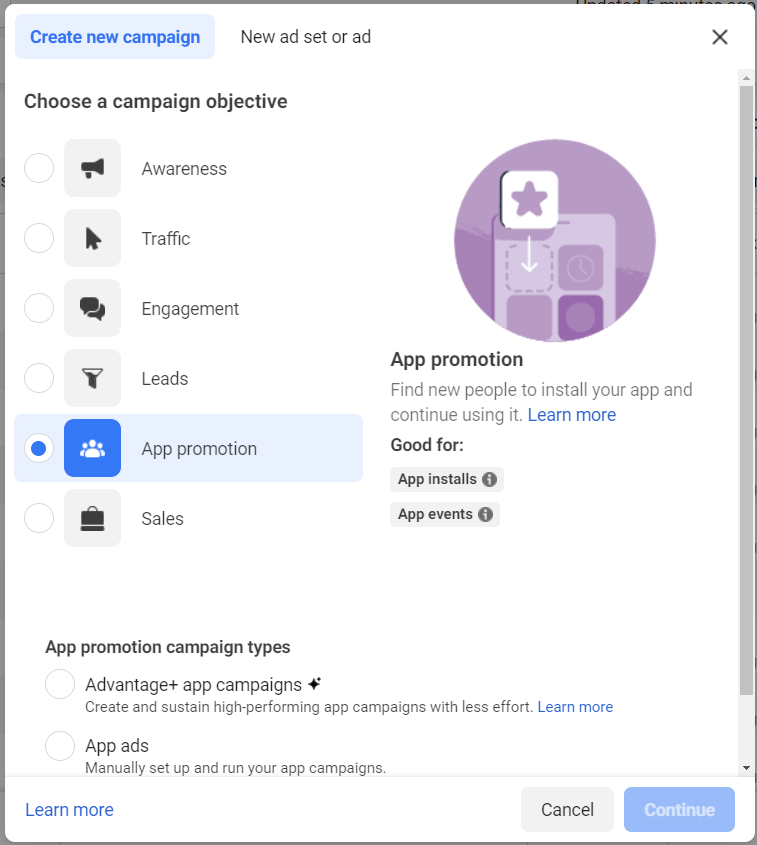
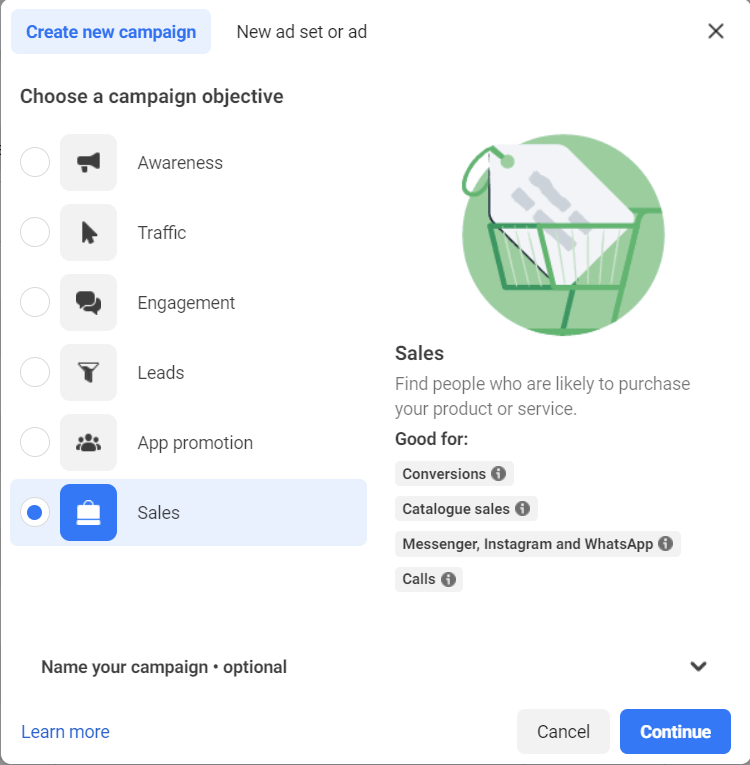
Start by clarifying your marketing goals. Whether you want to increase brand awareness, drive website traffic, generate leads, or boost conversions, the size of your goals will affect your required investment.
Target Audience
The size and reach of your target audience influence your budget. A larger audience may need a bigger budget, while a niche audience can often be reached with a smaller one.
Competition
The level of competition in your industry on Facebook can impact costs. Higher competition might mean you need a more substantial investment to make your ads stand out.
Testing and Optimization
Set aside part of your budget for testing and optimizing your Facebook ads. This allows you to experiment with different ad content, targeting options, and messaging to find what works best. Testing helps refine your campaigns and maximize your return on investment.
Budget Allocation
Consider your overall marketing budget and allocate a specific portion to Facebook ads. It's often wise to start with a modest budget and increase it as you gather insights and see positive results. This gradual approach allows for strategic testing and adjustments without committing too much upfront.
Cost per Result
Facebook provides data on the cost per result, such as cost per click (CPC) or cost per thousand impressions (CPM). Compare these metrics to industry benchmarks and your campaign goals to set realistic expectations and allocate your budget.
Return on Investment (ROI)
Evaluate the potential ROI of your Facebook ad campaigns. Think about the value and profitability of the desired conversions or actions. Assess the potential revenue or business growth that can be attributed to Facebook ads to determine an appropriate investment level.
Remember that your Facebook ad budget can be adjusted over time. Starting conservatively, monitoring performance, and gradually increasing your investment as you gain confidence and see positive results is a smart approach. Consistent monitoring, testing, and optimization are key to making the most of your Facebook ad campaigns.
Pricing Models for Facebook Ads
Facebook presents various pricing models for advertising on its platform. The two primary models are:
Cost per Click (CPC): With CPC, you pay for each click on your ad. This is good for getting people to visit your website, fill out forms, or take certain actions. You set the most you're willing to pay for a click, and Facebook does its best to get you clicks within that budget.
Cost per Thousand Impressions (CPM): CPM means you pay for every 1,000 times your ad is shown, whether or not people click on it. This is useful for campaigns focused on getting your brand seen by lots of people. You set the most you're willing to pay for 1,000 views, and Facebook tries to get you as many views as possible within your budget.
Facebook uses an auction system to decide which ads get displayed and how much they cost. When you create your campaign and tell Facebook who you want to target, your budget, and your bidding strategy, Facebook looks at things like how relevant your ad is, how much you're willing to pay, and how likely people are to take action to decide when and how often your ad appears.
In addition to CPC and CPM, Facebook offers other options like cost per action (CPA), where you only pay when specific actions happen, like purchases or form submissions.
Choosing the right pricing and bidding strategy for your campaign goals, while keeping an eye on performance and making adjustments when needed, is crucial for successful and cost-effective Facebook ads.