A/B Testing
A/B Testing of Ad Copies & Design
Following the refinement of your ad campaign's targeting, the next crucial step is to enhance your ad copy and design. This process may involve various elements, such as:
Consider testing these elements against alternatives if any of them appear to be diminishing the effectiveness of your advertisement. The key lesson here is to make only one adjustment at a time; this is the best way to pinpoint the issue.
For example, if you notice that you're receiving numerous impressions but not many clicks, you might want to experiment with modifying the ad's title, as it may not be compelling enough to entice clicks. Conversely, if you're getting plenty of clicks but few conversions, it's possible that your offer isn't sufficiently relevant.
Dynamic ads have become a popular choice among advertisers in such situations. They automatically extract content from your website to enhance the relevance of your ad's headline and description. This approach reduces the effort associated with crafting ad copy, making it advisable to give dynamic ads a try for creating customized ads.
Updating negative keywords
An important step is to identify and include negative keywords, which are keywords for which you don't want your ad to be displayed. Several reasons can prompt this strategy, with a significant one being to prevent Google from making decisions on your behalf. For instance, you can opt for negative keywords that encompass competitors, brands, and other terms unlikely to lead to conversions.
To integrate these keywords, navigate to the Google Ads campaign manager, select "Keywords," then "Negatives," and choose the keywords you wish to add to your ad group.
Landing Page Optimization
While Google ad campaigns primarily focus on Search Engine Results Pages (SERPs), it's crucial not to overlook the optimization of your landing page. In many instances, advertisers receive impressions and clicks on their ads, but they fail to convert. One major factor contributing to this issue is an unoptimized landing page. It's essential to address this aspect of Google ad management because, if Google detects it, your ad's position could be adversely affected due to decreased ad relevance.
When it comes to optimizing the landing page, it's imperative to consider all underlying elements, including the ad headline, page structure, button placement, calls to action (CTA), and calls to action. One proven method for achieving this is through A/B testing.
Key Elements for Creating an Effective Landing Page
- A compelling headline, directly related to your targeted keyword and ad copy, entices visitors to stay.
- Clear and concise ad copy that effectively communicates the value of your product or service.
- A user-friendly landing page form that reassures visitors and makes it easy for them to take action.
- An intuitive and visually appealing design that conveys professionalism, contributing to brand consistency.
- A seamless and persuasive call to action, supported by a clickable button for enhanced engagement.
Enhancing your landing pages can be a resource-intensive process, typically involving a graphic designer, developer, IT resources, and a hosting environment to execute it effectively. Given the potential bottlenecks in this process, many AdWords advertisers resort to directing PPC traffic to their homepage, which is counterproductive for conversion rate optimization.
If you notice that your ad lacks an adequate number of call-to-action (CTA) buttons on the landing page, consider creating a duplicate page and adding more CTAs to gauge the impact. The most efficient way to achieve this is by utilizing a landing page building and optimization tool like Covert.com or Unbounce. For A/B testing, Convert is a valuable resource, as it offers practical guidance on how to enhance your landing page's performance.
Consider Transitioning to Automated Bidding
When it comes to bidding in Google Ads, you have two options: manual and automated bidding.
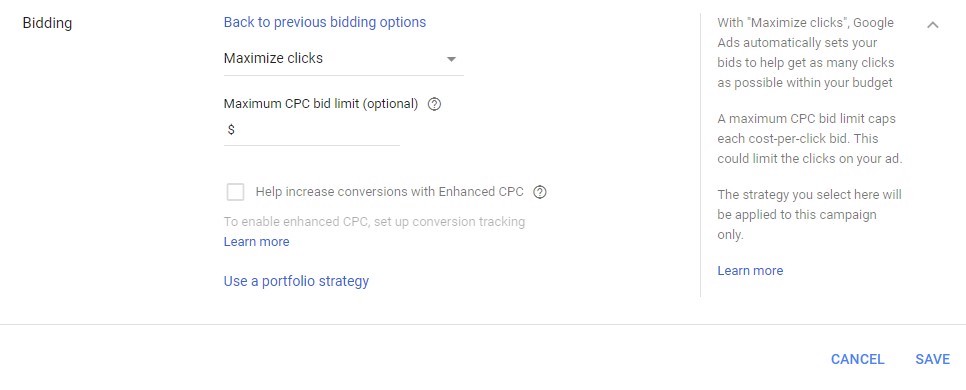
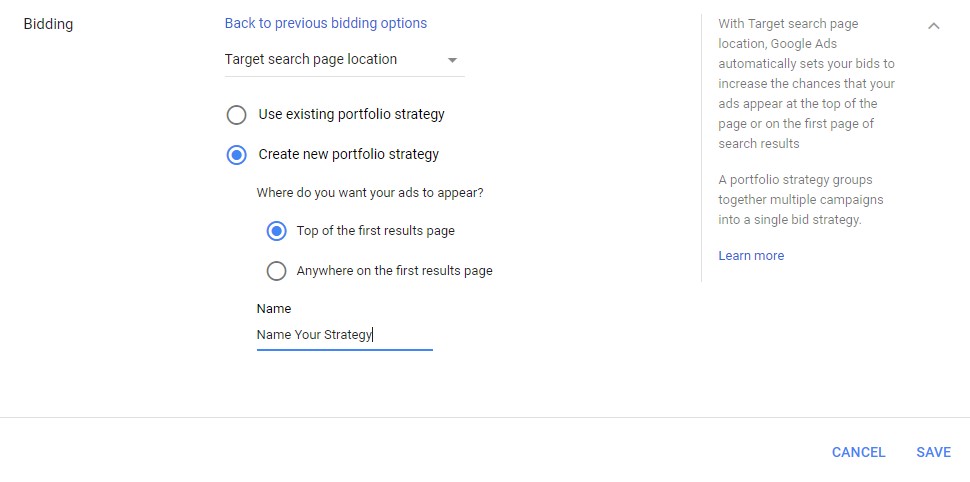
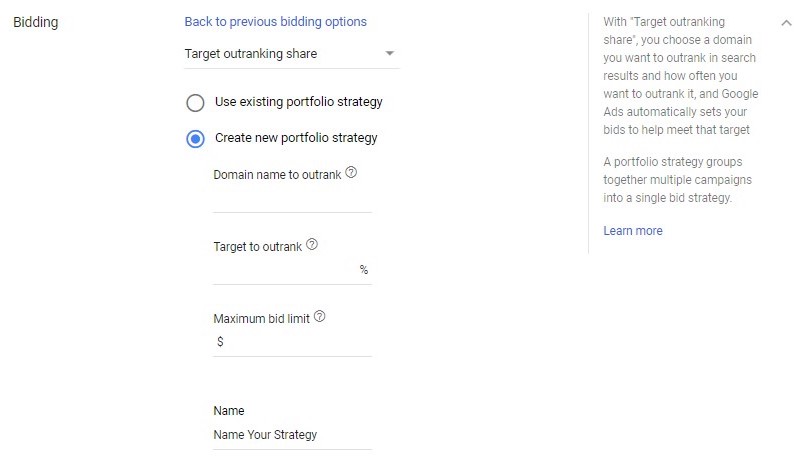
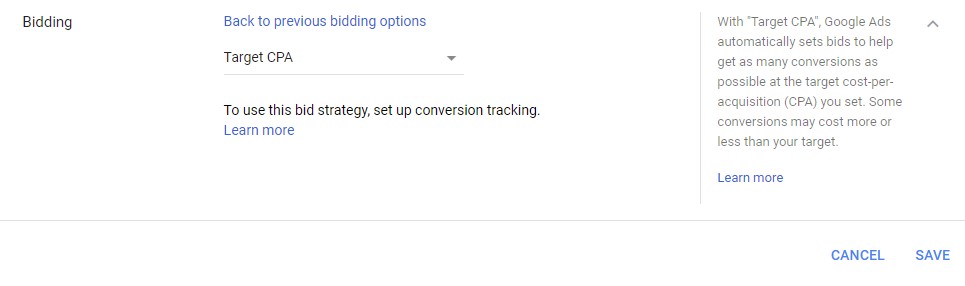
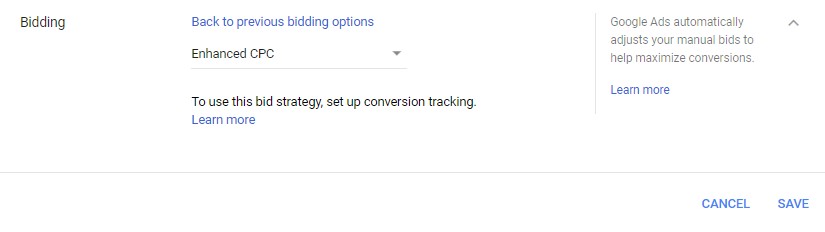
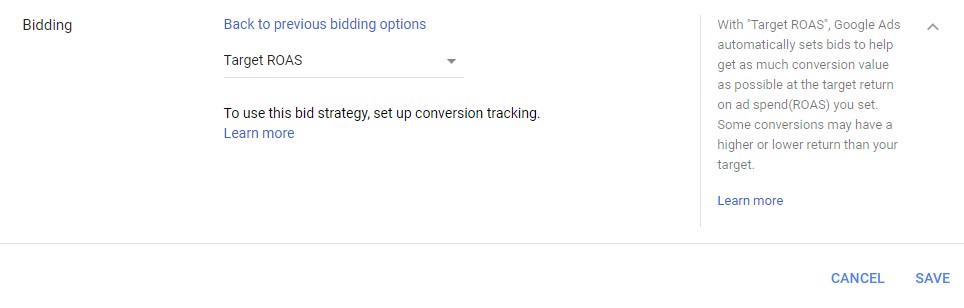
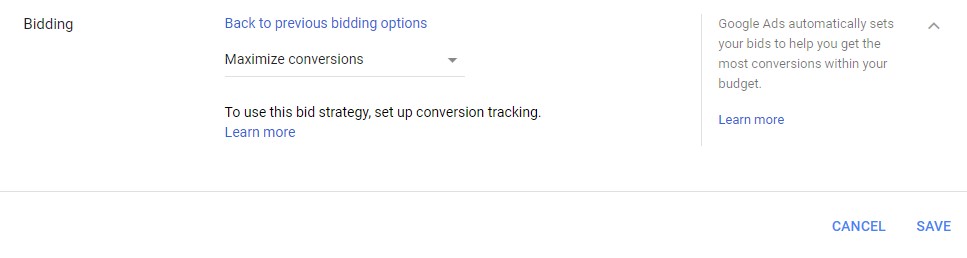
Automated bidding is a Google Ads bidding strategy designed to optimize results based on the underlying campaign objectives. In automated bidding, Google itself determines the bid amount by evaluating the likelihood of a click or conversion on your ad. This assessment takes into account various factors, including the user's device, specific timing, operating system, location, and demographics.
Google relies on portfolio bid methods for all its automated bid strategies, which are essentially goal-driven strategies that encompass multiple campaigns, ad groups, and keywords. As a result, marketers have the flexibility to apply their preferred approach to individual campaigns, ad groups, and keywords. Some of these strategies are available as general tactics, applicable to single campaigns as well.